For women with a body of work who are ready to own what it tells them.
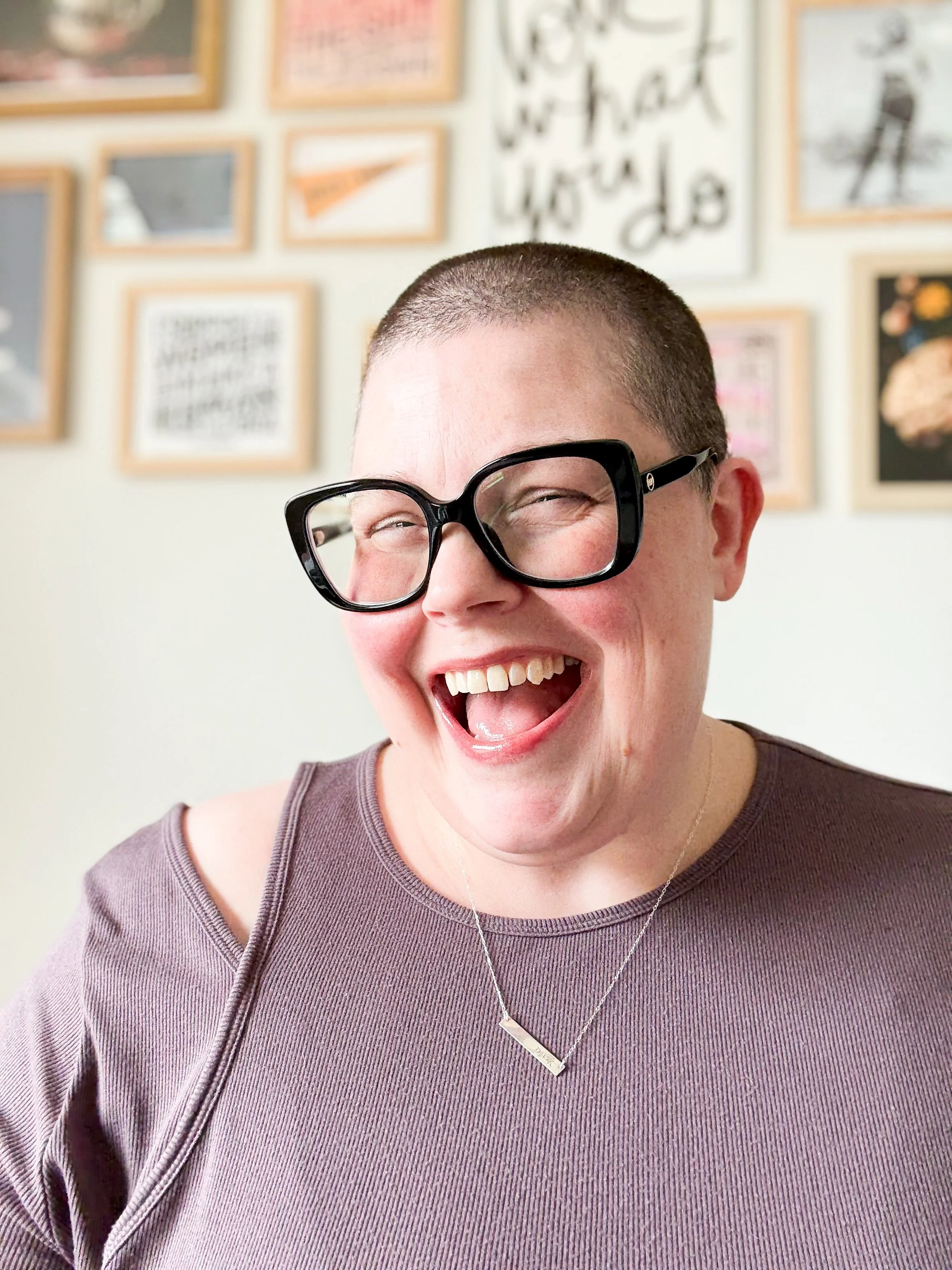
I’m Karen, founder and editor of Karen Hammons Co., the editorial house for the working life.
The Co. is built for women with enough career mileage to have a record worth reading—and enough experience to know that more input doesn’t automatically make the next decision clearer.
I guide women back to their own evidence and judgment so they can make deliberate career choices with themselves fully present in the decision.
Why the work exists
Many women who find this house have spent years becoming exceptionally good employees. They learned how to carry complexity, stay useful, and make themselves increasingly valuable while trusting that excellent work would eventually produce an appropriate return.
That exchange doesn’t always keep working.
By the time she finds The Co., she’s usually already in motion. She may be considering a change, gathering information, testing possibilities, or trying to understand what the last several years have been telling her. Enough new input can make every opinion start sounding like an instruction.
The work here gives that movement a point of reference: her own record.
The Lens
Career strategy here holds the conditions around a working life alongside the patterns operating inside it. The employer, the market, money, caregiving, technology, and other material realities all affect what’s possible. So do learned career rules, identity, Capacity, and the evidence a woman has accumulated through experience.
The full picture gives judgment more to work with.
The Ownership Architecture gives that picture a usable structure: Capacity, Clarity, and Visibility.
Hold what the evidence has shown you. Choose from what’s true. Carry that choice into the world.
Evidence runs through all three. It gives self-trust something to stand on and keeps the next move connected to the working life that produced it.
From the Editor
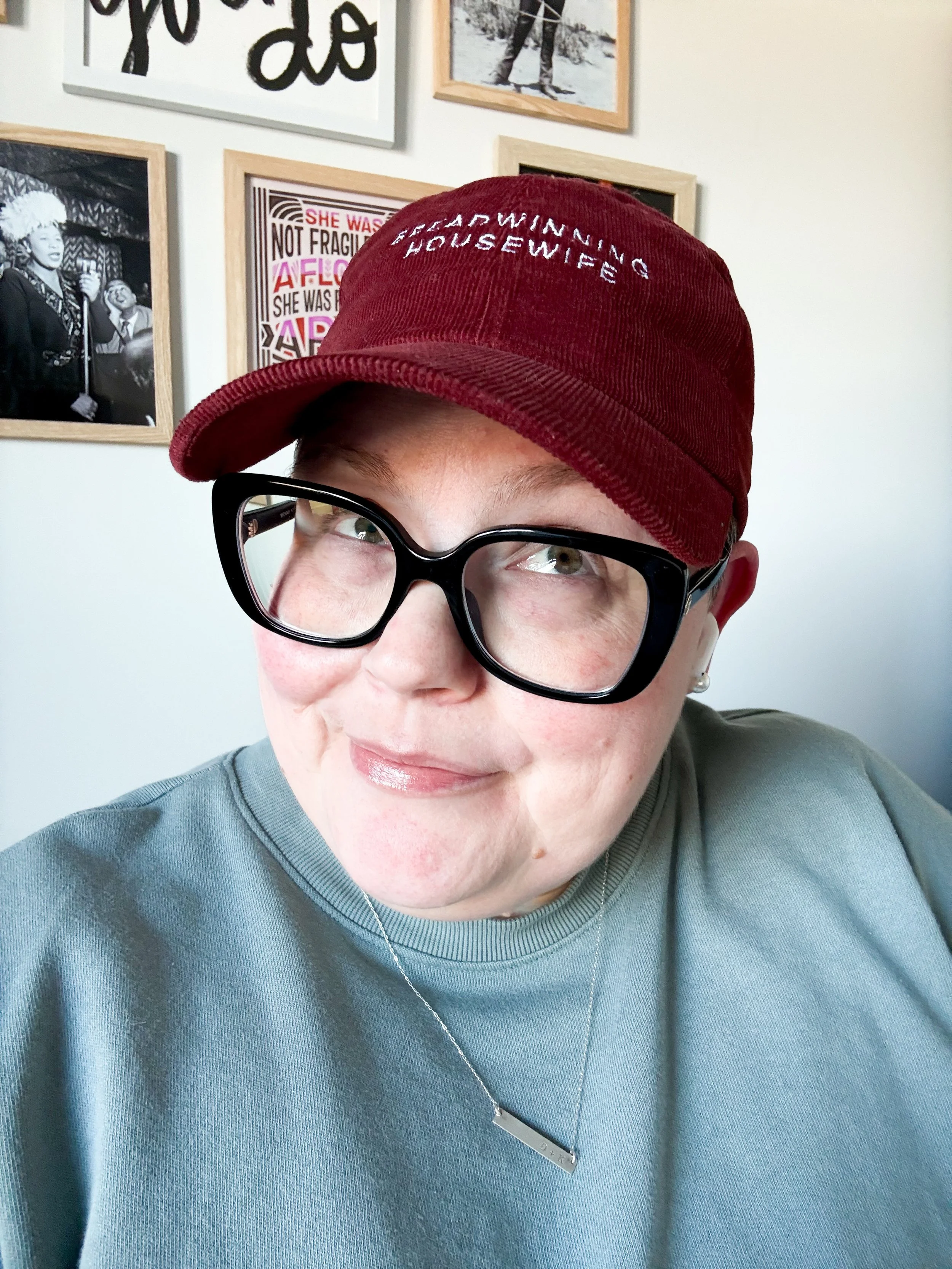
My career has moved through HR, healthcare administration, and operations, with much of the most useful work living beyond what a clean title could capture.
That range trained my eye for what titles miss: the method that keeps traveling, the work holding systems together, the judgment built through complexity, and the career rules that can become familiar enough to start making the next decision.
The Co. grew from that work and from learning firsthand that jobs end, plans change, and a body of work keeps traveling.
I wanted the record to stay legible when the container changed, because that record becomes especially useful when it’s time to decide what comes next.
That is the work of this house: guiding women back to what their own working lives have already shown them.
The Co.
The Library holds the fullest version of the thinking. The Listening Room takes one thread at a time and talks it through with lived context, nuance, and voice. Practice Notes turn a live career question into focused movement. Editions stay with larger patterns long enough for the work to develop.
Each room has a different job, with a natural progression available when it’s useful. You can enter wherever your working life is asking for attention.
Wherever you begin, the work should leave you better able to read your own record, make the call, and move from there.